Introduction
For many dog owners, “sit” becomes the foundation of training.
It is often the very first behaviour a dog learns. Trainers teach it in puppy classes, owners practise it during greetings, and it quickly becomes the go-to cue whenever a dog needs to settle down or pay attention.
Because it works so reliably, “sit” often becomes the default response for almost everything.
But while “sit” is a valuable training tool, relying on it too heavily can create unintended patterns in how your dog communicates and moves with you.
Understanding when — and when not — to use this cue can make a significant difference in how smoothly your dog responds in everyday situations.
What the “Sit” Command Is Actually Designed For
At its core, asking a dog to sit is a way of creating a moment of pause.
When a dog sits, several things happen at once.
The movement of their body stops.
Their posture becomes more neutral.
Their attention often shifts back toward the handler.
In practical terms, “sit” helps you:
- stop motion
- create stillness
- shift the dog’s emotional state
- focus their attention
That’s why it’s such a powerful early training tool. It gives owners a simple way to interrupt excitement and bring a dog back into a calmer, more controlled mindset.
But like any tool in training, its effectiveness depends on how and when it is used.
When it becomes the automatic response for every interaction, the behaviour can start shaping patterns you never intended to create.
The Pattern Dogs Begin to Learn
How Most Owners Use “Sit”
Think about how “sit” is typically used during everyday training.
A dog approaches their owner.
The dog stands in front of them.
The owner asks for a sit.
The dog sits.
A reward follows.
That sequence repeats again and again during early training sessions. It also tends to happen during greetings, when asking for attention, and during many small interactions throughout the day.
Individually, none of those moments are a problem.
But repetition teaches patterns.
And over time, the dog begins to learn something very specific.
The Behaviour Pattern That Forms
What the dog starts to understand is:
“If I want interaction with my owner, I should move directly in front of them and sit.”
Without anyone intending it, front-facing sits become the dog’s default way of engaging with the handler.
At first this seems harmless.
In fact, many owners find it polite or even impressive when their dog walks up and sits automatically.
But that pattern can start causing problems once the dog is expected to work with the owner in motion.
When That Pattern Starts Creating Problems
Front-Facing Communication in a Moving World
Dogs are incredibly good at repeating behaviours that previously led to reward or communication.
If your dog has learned that instruction always begins when they are directly in front of you, they will naturally try to move into that position whenever they want guidance.
The challenge is that most real life situations with your dog do not happen while standing still.
Life with a dog involves movement.
You might be:
- walking on leash
- moving through busy areas
- hiking or exploring outdoors
- navigating distractions in public spaces
In these situations, a dog constantly swinging into a front position can start creating practical problems.
It interrupts the flow of movement.
It can tangle the lead.
It can place the dog directly in your path.
And it can make communication during movement less clear.
The Leash Walking Conflict
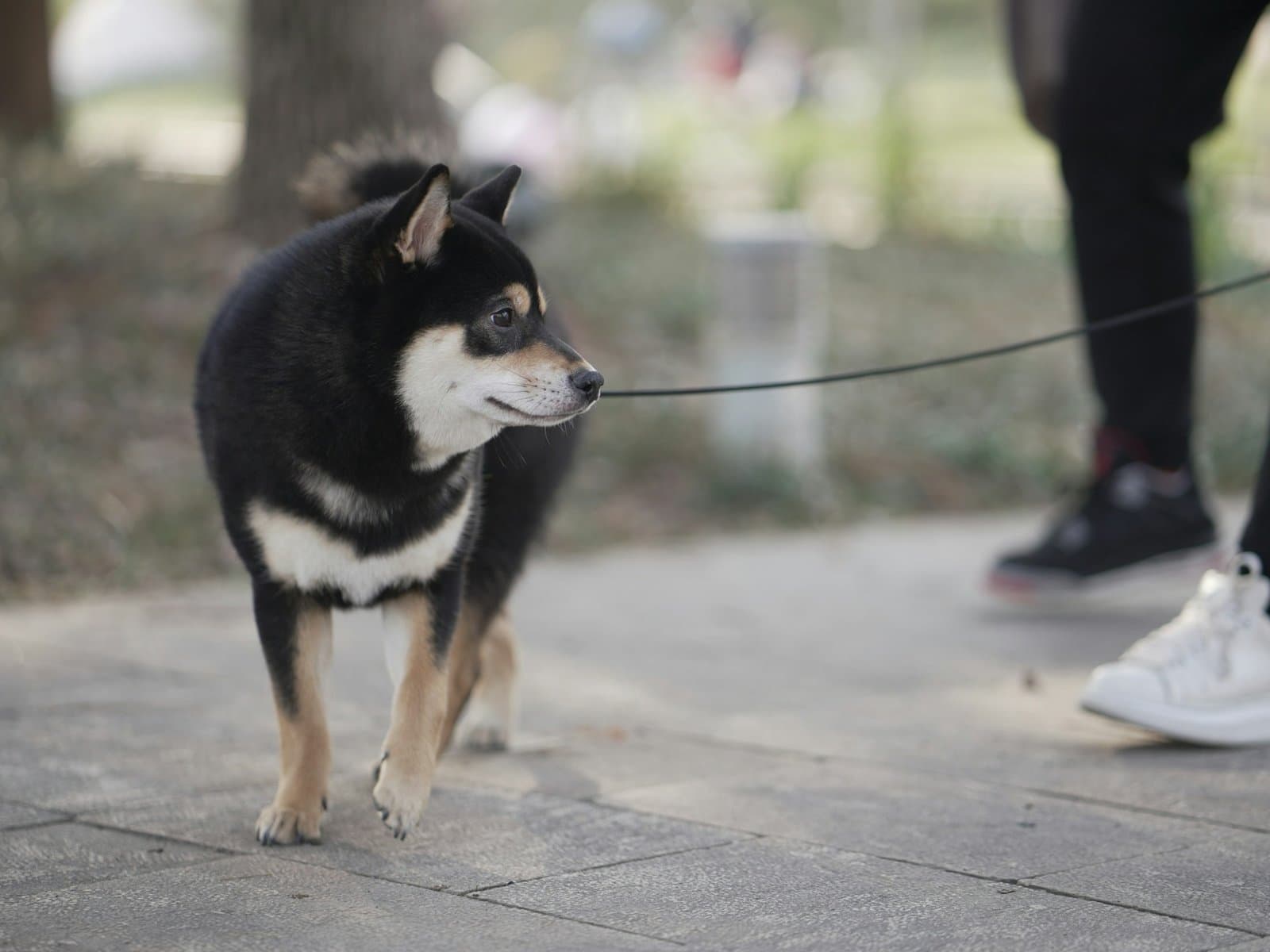
This pattern often becomes most noticeable during leash walking. Many owners want their dog walking calmly beside them, maintaining a steady position while moving forward together. But if the dog has learned that communication happens only when they are in front, a conflict appears.
You want them at your side.
They have learned that engagement happens face-to-face. So the dog begins to reposition constantly.
You might see behaviours like:
- forging slightly ahead
- turning around to face you
- cutting across your path
- spinning into a front position during walks
From the owner’s perspective, this can look like the dog is being stubborn or distracted. In reality, the dog is simply repeating the pattern that has always led to communication in the past.
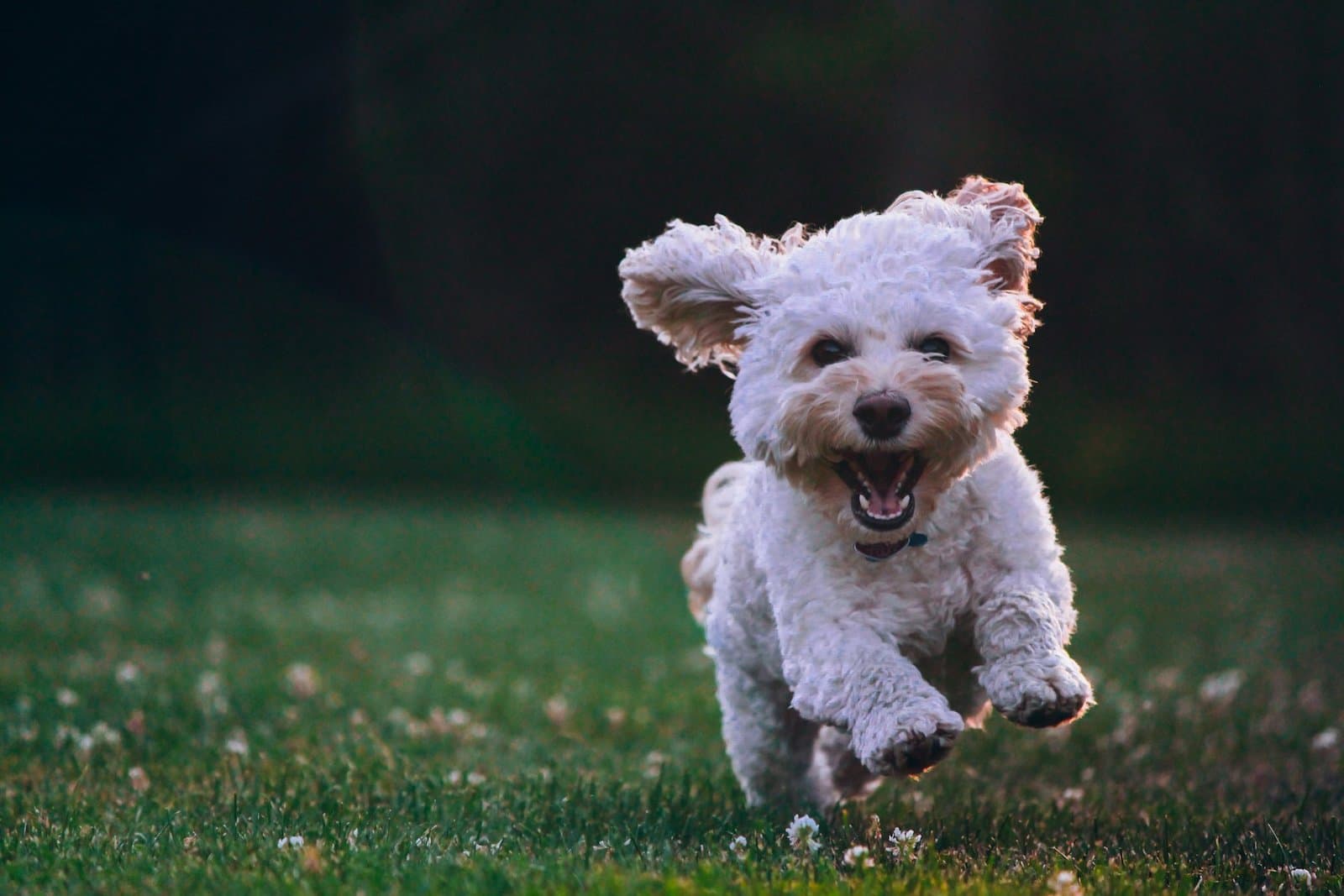
The Physical Side Most Owners Don’t Consider
There is also a physical side to this behaviour that is rarely discussed.
Frequent, repetitive sits — especially on hard ground — can place stress on certain parts of a dog’s body.
For some dogs this may not matter very much.
For others, it can become uncomfortable over time.
Repeated sits can:
- place strain on hips and knees
- be uncomfortable for large or heavy breeds
- aggravate existing joint sensitivity
- create unnecessary wear on the body
Young dogs who are still growing and older dogs who are beginning to stiffen can be particularly affected by constant sitting on hard surfaces.
Dogs are naturally built for movement.
Stillness on command, repeated dozens of times during walks or training sessions, is not always physically ideal.
Sit Should Be Intentional, Not Automatic
None of this means that teaching a dog to sit is a mistake.
In fact, “sit” remains one of the most useful behaviours a dog can learn.
The key difference is intentional use rather than automatic use.
A sit is particularly helpful in situations where calm stillness is genuinely useful.
For example:
- before crossing a road
- when greeting someone politely
- when settling at a café
- during structured training exercises
But not every moment of engagement requires the dog to stop moving.
Sometimes maintaining connection while in motion is far more valuable.
Expanding Communication Beyond “Sit”
One of the easiest ways to improve training clarity is to build communication patterns that don’t always rely on stopping the dog.
You can begin developing:
Engagement while moving
Reward your dog for checking in while walking.
Side-position communication
Practise giving cues when your dog is beside you, not just in front.
Distance cues
Give simple commands when your dog is slightly away from you.
Neutral pauses
Instead of always asking for a sit, simply stop walking and allow your dog to pause naturally.
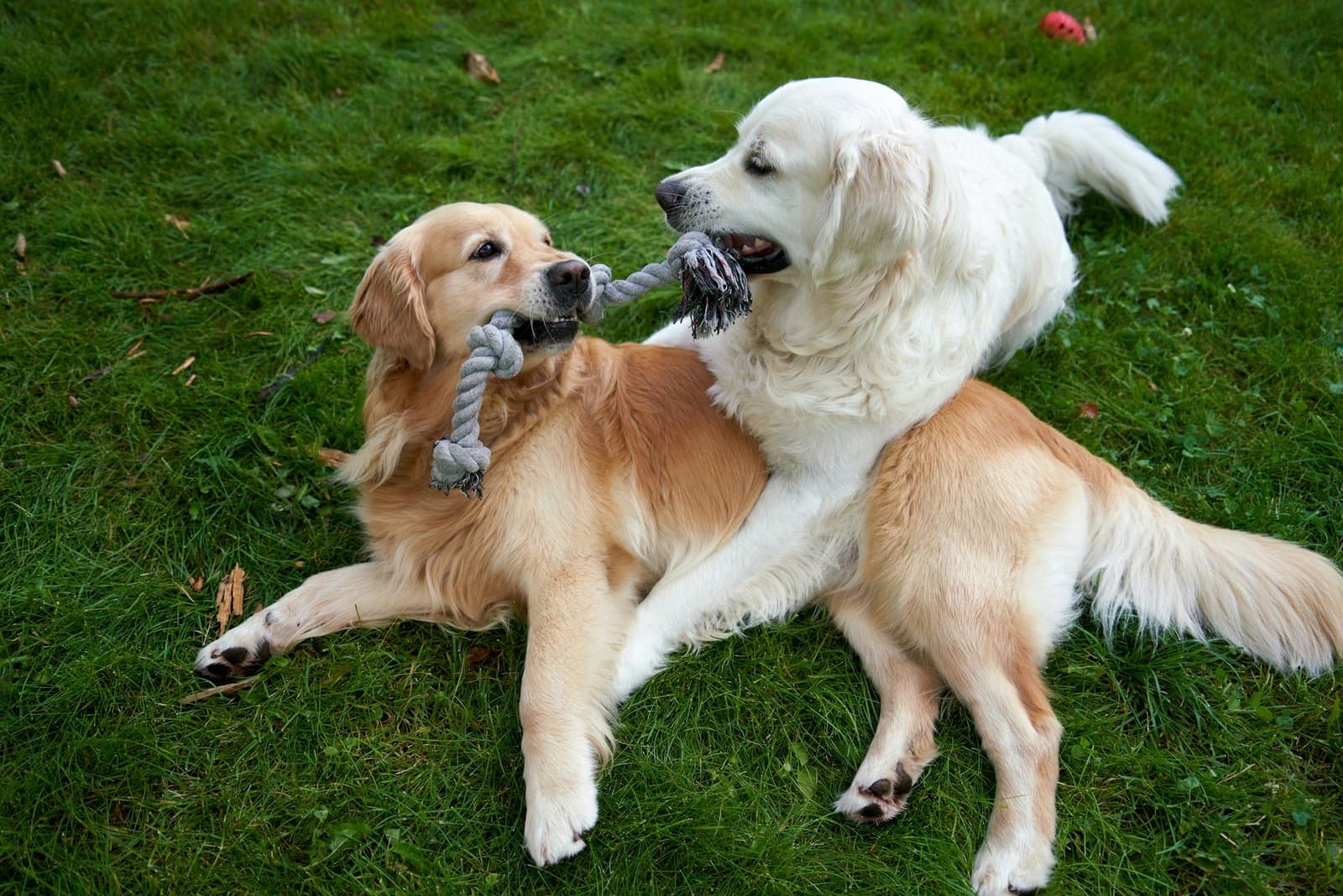
The Bigger Picture
Teaching “sit” is not the problem.
Over-relying on it is.
If every interaction begins with the same cue, your dog learns a very specific rule about how communication works.
Stillness equals attention. Front position equals engagement.
But life with your dog is rarely lived standing still. It happens while walking, turning, exploring, and moving through the world together.
The goal of training is not just obedience in one position. It is clarity, understanding, and cooperation across many situations.
Sometimes that means using “sit.” And sometimes it means allowing the conversation between you and your dog to happen in motion.