

Introduction
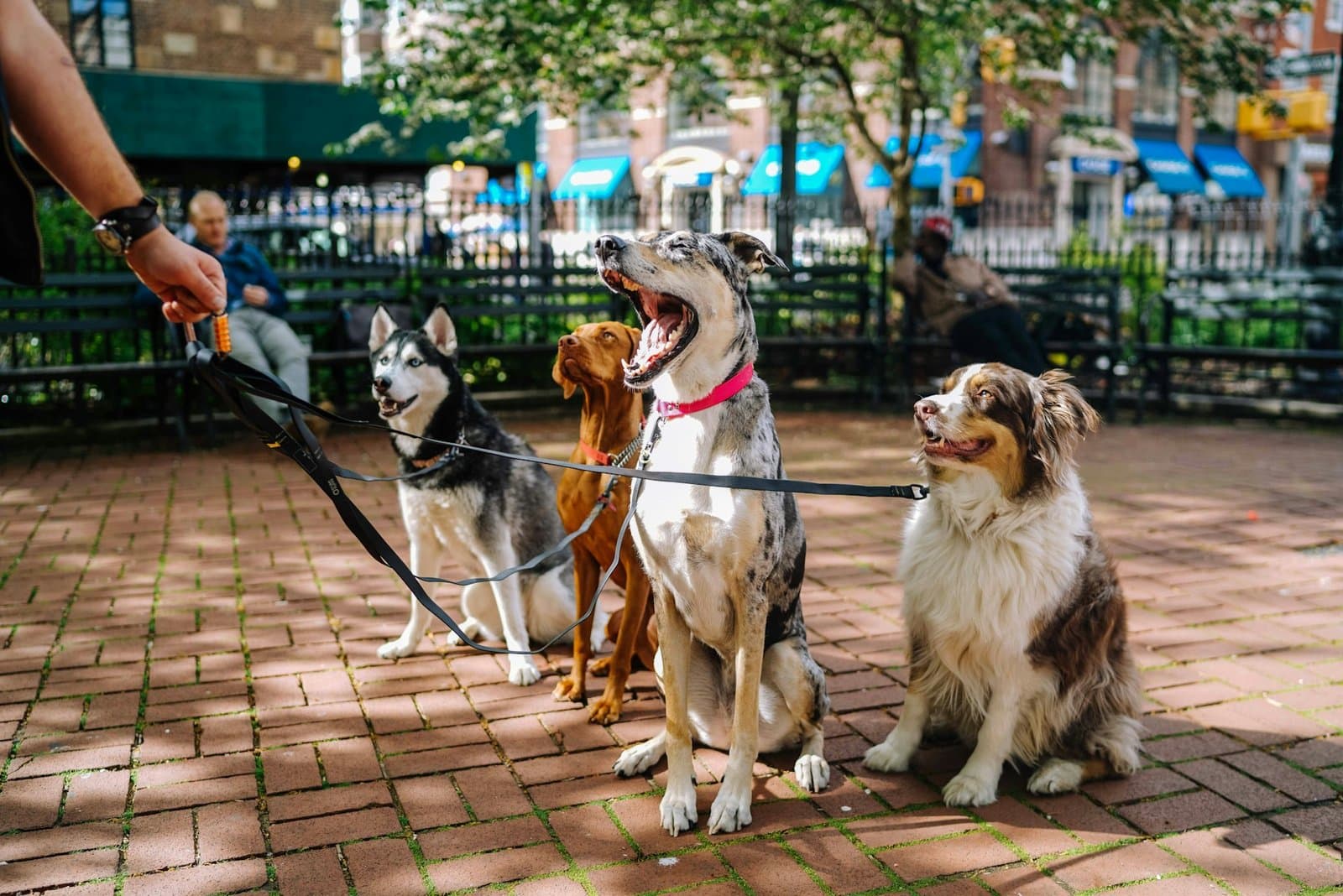
If your dog pulls on the lead, it’s easy to assume the problem is training.
Many owners believe their dog is simply overexcited, stubborn, or hasn’t yet learned how to walk properly. So they practise loose lead walking, try different techniques, or look for stronger ways to keep their dog under control.
Sometimes those methods help.
But in many cases, pulling has less to do with obedience than people realise.
For a lot of dogs, the real excitement of the walk isn’t the walk itself. It’s what happens at the end. The park. The beach. The dog-friendly café. The place where the lead comes off and freedom begins.
When the destination becomes the main event, the walk simply turns into the path that leads there.
And when a dog believes the best part is still ahead, pulling forward starts to make perfect sense.
To understand why dogs pull on the lead so consistently, it helps to look at how they learn patterns during everyday walks.
Why Dogs Pull on the Lead
Pulling on the lead is often misunderstood.
People sometimes assume it’s a sign of dominance, defiance, or poor manners. In reality, it’s usually driven by something much simpler: anticipation.
Dogs are extremely good at recognising patterns. When the same sequence happens repeatedly, they quickly learn what each step predicts.
On many walks, the pattern looks something like this:
Lead goes on.
The walk begins.
Eventually, something exciting happens.
That might be arriving at the park, reaching a place full of new smells, meeting other dogs, or getting the chance to run off lead. Over time, dogs begin to associate the walk itself with those rewarding moments.
Once that connection forms, the destination becomes incredibly important.
If moving forward quickly seems to get them there faster, pulling becomes a logical strategy. From the dog’s perspective, the behaviour works.
This is why many dogs pull hardest when they recognise a familiar route. They know exactly where they’re going, and the anticipation of what’s waiting there builds with every step.
What looks like bad behaviour is often just excitement combined with expectation.
The Problem With Destination-Focused Walks
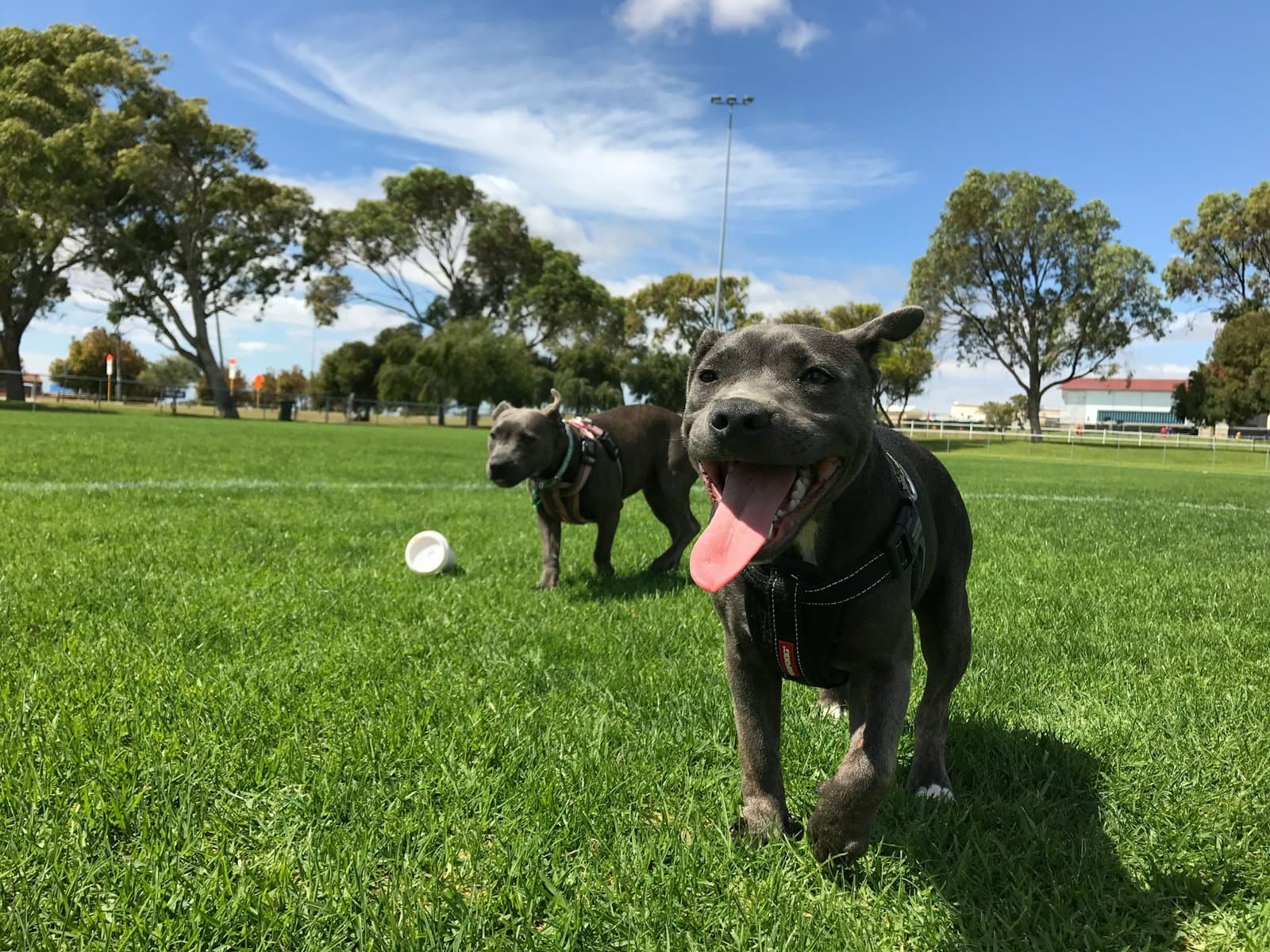
When the destination becomes the most exciting part of the outing, the entire walk starts to revolve around getting there.
For many dogs, this changes how they experience the environment.
Instead of moving through the walk with curiosity and awareness, their attention narrows. Their focus shifts almost entirely forward. Every step becomes about closing the distance between where they are and where they want to be.
This is where pulling usually intensifies.
As anticipation builds, the dog’s emotional state becomes more stimulated. The world feels louder, faster, and more exciting. Smells become stronger. Movement becomes more noticeable. Other dogs suddenly feel extremely important.
In that state, calm walking becomes much harder.
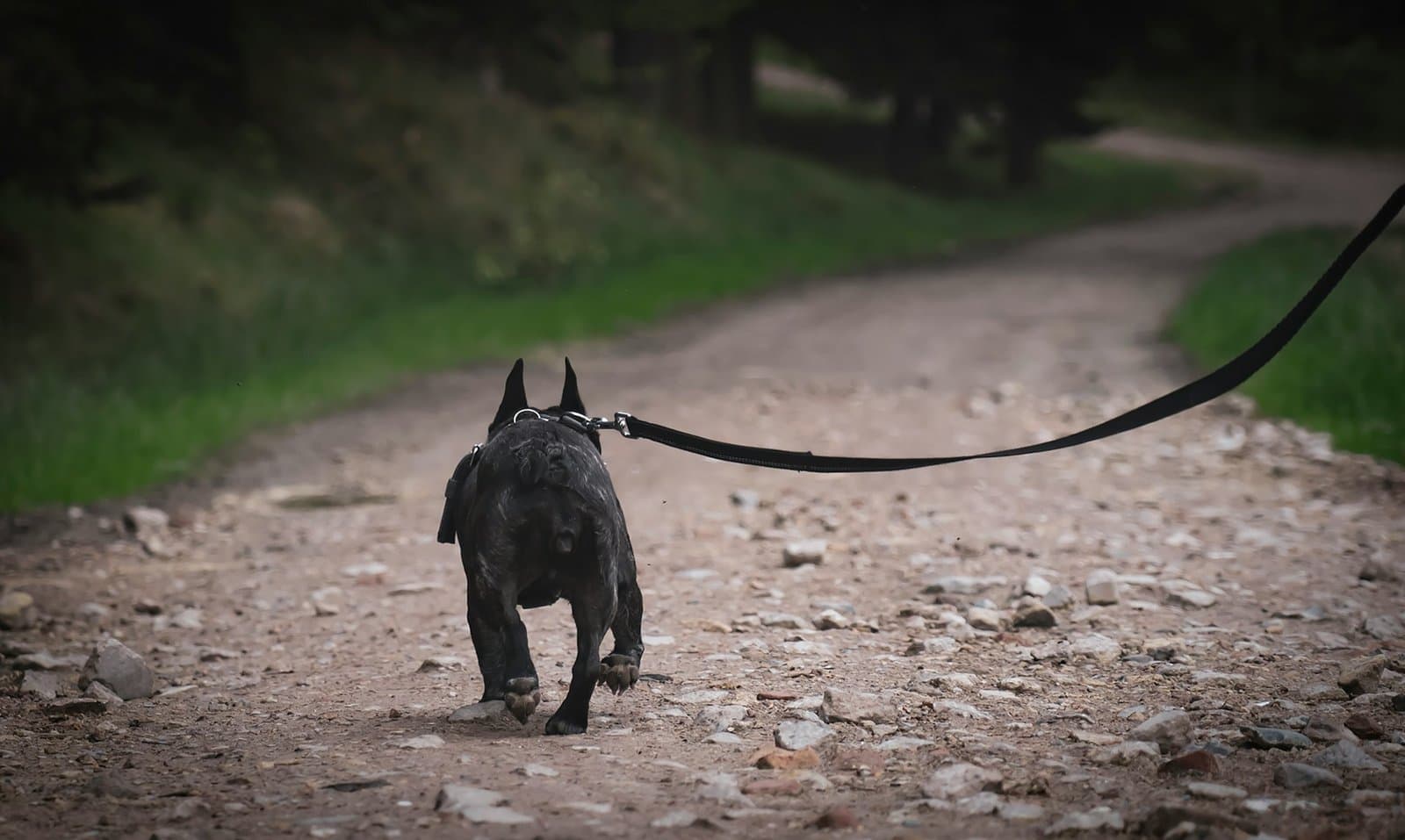
The lead also starts to create frustration. The dog wants to move quickly, but the restraint slows them down. From their perspective, you’re the thing preventing progress.
This is why owners often feel as though their dog is fighting them during walks. What began as a simple outing slowly turns into a tug-of-war.
The dog is trying to move forward as quickly as possible. The owner is trying to regain control.
Instead of sharing the experience together, both end up working against each other.
Over time, this pattern can become deeply ingrained. The walk stops being a relaxed activity and becomes something that both dog and owner approach with tension.
But there’s another way to look at the walk entirely.
Reframing the Walk: The Journey Is the Reward
One of the most powerful changes an owner can make is a simple shift in perspective.
Instead of treating the walk as the path that leads to something exciting, the walk itself becomes the experience.
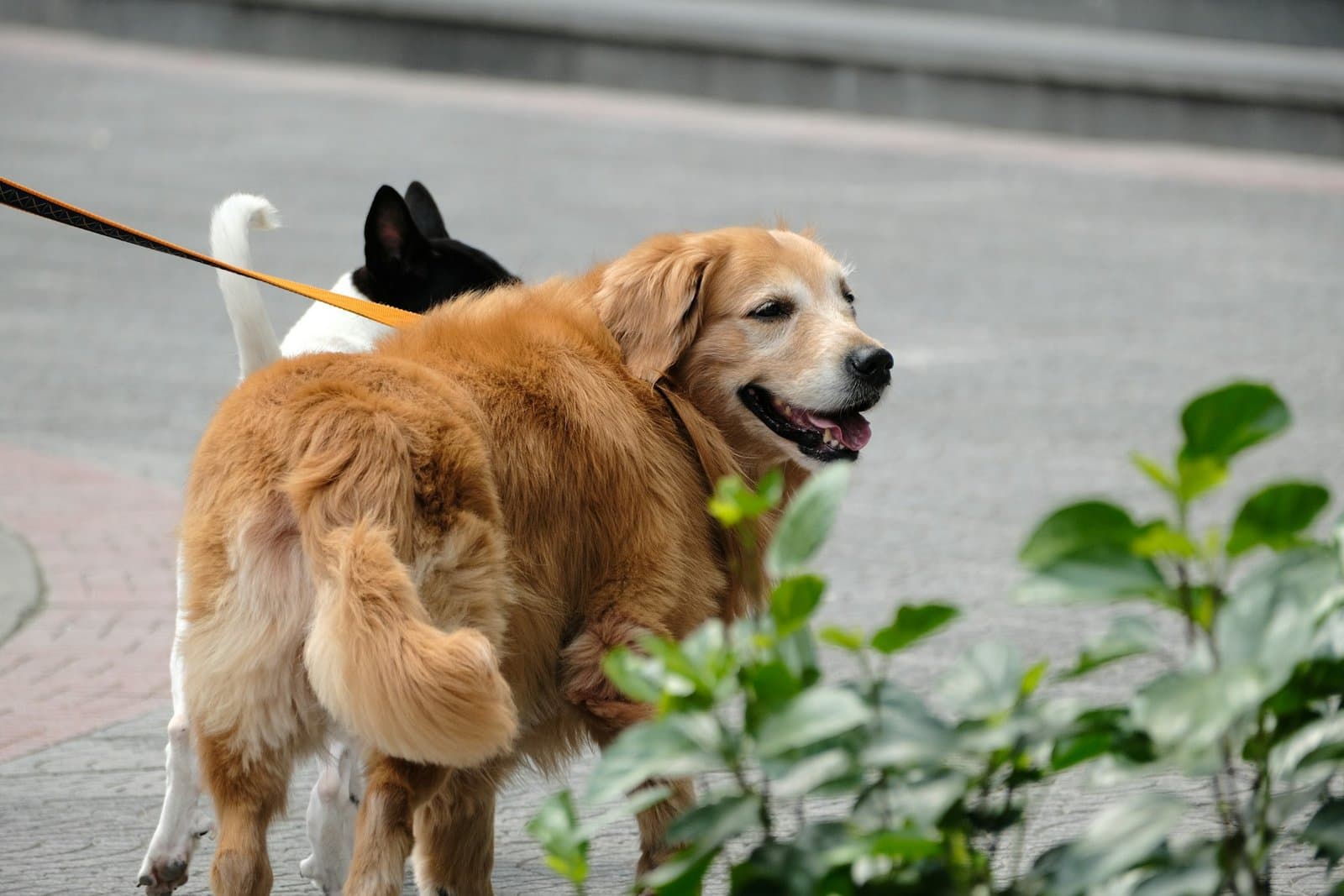
For dogs, movement through the world is naturally rewarding. New scents appear constantly. The environment changes from street to street. Small interactions with their handler create opportunities for communication and connection.
When the journey becomes the focus, the pressure to reach a destination begins to fade.
The dog no longer needs to rush ahead because the interesting things are happening all along the way.
This change also alters the emotional tone of the walk. Anticipation decreases, which allows the dog’s nervous system to settle. With less urgency pulling them forward, they’re far more able to notice you, respond to cues, and move in a more relaxed way.
For many dogs, this is the missing piece.
Loose lead walking improves not just because the dog has been trained to walk nicely, but because the walk itself has become fulfilling.
When the experience of moving together becomes enjoyable, the need to drag you toward the next exciting moment begins to disappear.
How to Make the Walk More Engaging for Your Dog
If a dog pulls because the destination feels like the only reward, the solution is not just correcting the pulling. The goal is to make the walk itself valuable.
When the journey becomes interesting and interactive, dogs have far less reason to rush ahead. The following adjustments can make a noticeable difference.
Slow the Walk Down
Many walks unintentionally become fast, straight-line journeys. The dog learns that forward movement is the only thing that matters.
Instead, vary the pace of the walk.
Pause occasionally. Change direction. Take a different street or path. These small changes encourage your dog to pay attention to you rather than charging ahead on autopilot.
When the walk becomes less predictable, dogs naturally start checking in more often.
Add Small Moments of Engagement
You don’t need a long training session during a walk. Short, playful interactions are enough.
For example, you might:
- ask for a quick sit and reward it
- practise a brief recall
- encourage your dog to walk beside you for a few steps
- pause and acknowledge them when they choose to stay close
These small moments create connection and help your dog see you as part of the experience, not just the person holding the lead.
Reward Loose Lead Walking
Many owners only react when the dog pulls.
Instead, notice when your dog chooses to walk calmly beside you. That moment is worth reinforcing. A bit of praise, a treat, or even a short burst of play can help your dog understand that staying connected to you has real value.
Over time, the dog begins to see that walking with you brings rewards as well.
Occasionally Remove the Destination
One of the most effective ways to reduce destination obsession is surprisingly simple.
Sometimes, head toward the exciting place… and then turn around before you get there.
You might walk part of the way to the park, pause, and then head home. This gently breaks the assumption that every walk must end with a big reward.
The message becomes clear: the walk is the activity, not just the lead-up to something else.
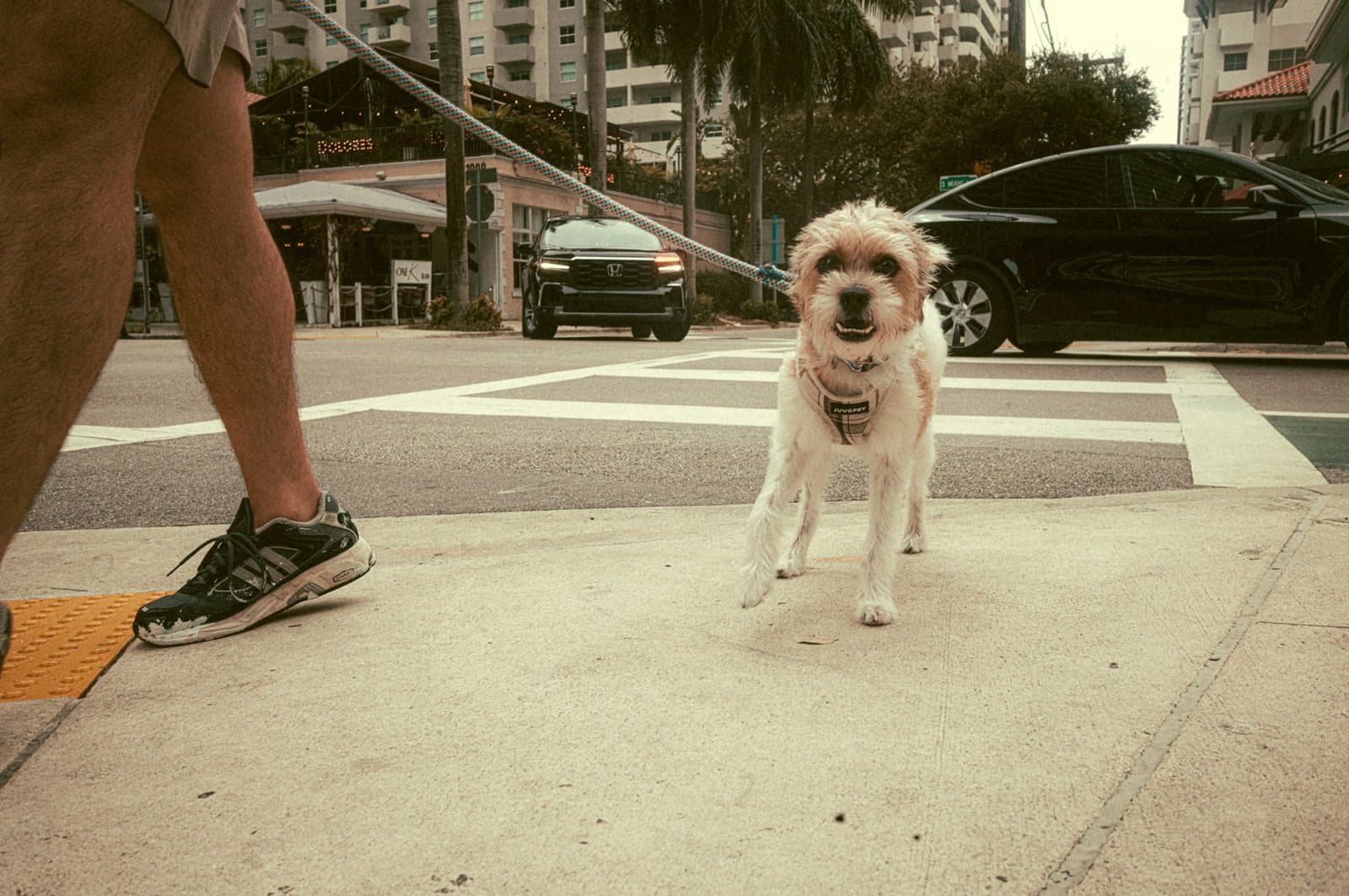
Walking Your Dog Is More Than Exercise
For many owners, walking the dog starts out as a practical routine. It’s something that needs to be done so the dog gets exercise and burns energy.
But walks offer much more than that.
They’re one of the few daily moments where dog and owner move through the world together. During that time, communication happens constantly. The dog observes the handler’s pace, direction, and energy. The handler notices what captures the dog’s attention.
When the experience is calm and shared, it strengthens the relationship.
A dog that feels connected during walks tends to be more responsive and relaxed overall. The lead becomes a guide rather than a restraint, and the walk becomes something both sides can enjoy.
Pulling on the lead often fades when the emotional balance of the walk changes. When excitement about the destination settles and the journey becomes meaningful, dogs naturally begin to move with you rather than against you.
Conclusion
Pulling on the lead is rarely just a training problem. More often, it reflects how a dog experiences the walk itself.
When the destination becomes the only exciting part of the outing, rushing forward feels natural. But when the walk becomes the main event, everything changes.
By slowing down, creating small moments of engagement, and shifting the focus toward the journey, dogs begin to relax and reconnect with their handler.
Because a walk with your dog is more than the distance between two places. It’s time spent exploring the world together.